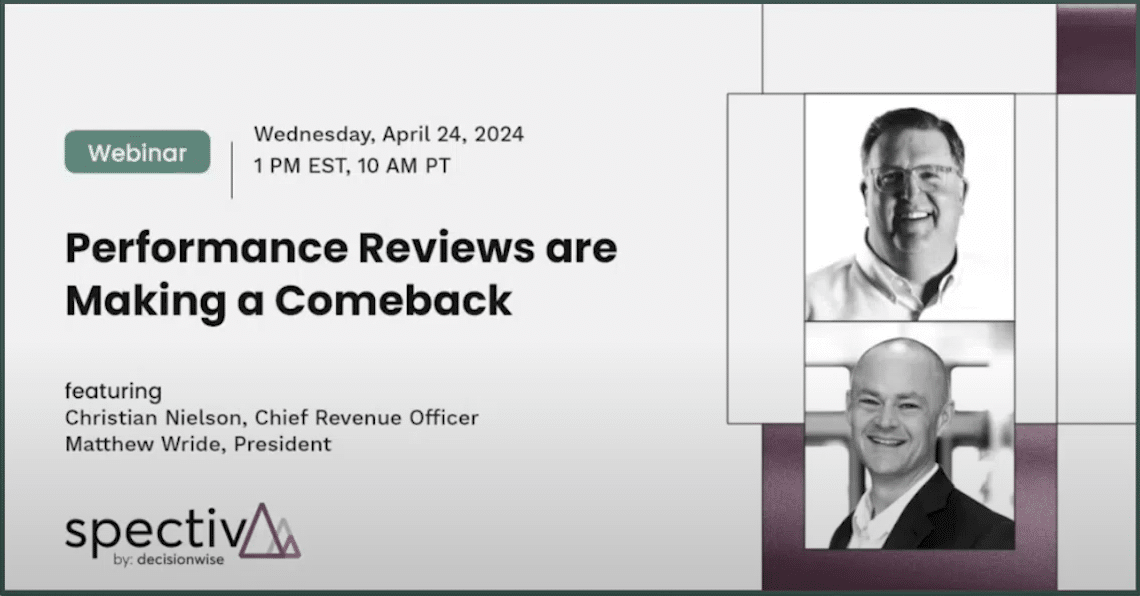

The obituaries for the annual performance review have been written so many times that HR practitioners now accept the premise without examining it. The annual review is broken, the argument goes, and the solution is continuous feedback, which is supposedly a steady stream of real-time coaching that renders the formal review obsolete.
It is a tidy narrative. It is also, for most organizations, not very realistic.
The real problem with performance management in most organizations is not the cadence. It is not that reviews happen once a year instead of continuously. The real problem is that the reviews that do happen are treated as an administrative obligation rather than a professional responsibility. When that changes, everything else can follow.
“The review that no one prepared for, no one took seriously, and no one followed up on was never going to help anyone—quarterly or otherwise.”
Before you redesign your feedback systems, before you implement a new platform, before you train managers on how to give effective feedback, consider three foundational principles that determine whether any performance management program will actually work.
PRINCIPLE ONE: Treat the Review as a Professional Obligation, Not a Checkbox
The single most common failure in performance management is not a design problem; it is a seriousness problem. Reviews get scheduled, templates get distributed, and then managers fill them out in thirty minutes the night before the conversation. Employees receive generic ratings with vague commentary. Everyone walks away having checked the box and having learned and shared nothing.
If an organization genuinely cares about the development of its people, that commitment must show up in the preparation that precedes a performance conversation. Managers should review documented examples, revisit goal commitments, consult relevant colleagues, and arrive with something substantive to say. Employees should come prepared to reflect honestly on their own performance. The conversation itself should feel significant, because it is.
This is not a call for bureaucratic excess. It is a call for professional respect. The people being reviewed have invested their working lives in the organization. They deserve a conversation conducted with the same care and intentionality that any other consequential professional exchange demands.
HR practitioners can drive this shift by reframing what “completion” means. A submitted form is not a completed review. A conversation that changes how someone understands their performance, their trajectory, or their relationship to their work, that is a completed review.
PRINCIPLE TWO: Name What Is Not Working, Clearly and With Respect
Performance conversations that avoid the difficult parts are not kind and they are not helpful. They are a disservice. When a manager obscures a performance gap behind softened language and careful hedging, the employee leaves the conversation without the information they need to change course. They may not even know a serious concern exists until it is too late to address it.
The instinct to protect people from difficult feedback is understandable. It is also one of the most expensive habits an organization can live with. Unaddressed performance gaps compound. They affect team morale, client relationships, and organizational output, and they deprive the individual of the agency to respond to a problem they do not know they have.
Honest feedback, delivered with dignity and specificity, is not a punitive act. It is a professional one. Telling someone clearly where they are falling short of what is required—with concrete examples, without personal attack, and with a genuine expectation that they can improve—is among the most respectful things a manager can do.
“Honest feedback, delivered with dignity and specificity, is not a punitive act. It is a professional one.”
HR practitioners play a critical role here by building the organizational norms and manager capability that make direct feedback feel safe to give and safe to receive. That means calibrating ratings with integrity, coaching managers on specificity, and resisting the cultural drift toward performance language so qualified that it communicates nothing.
PRINCIPLE THREE: Master a Few Meaningful Reviews Before Claiming Continuous Feedback
Continuous feedback is a compelling aspiration. The assumption underlying it—that managers and employees are consistently having high-quality developmental conversations throughout the year—is one that most organizations have not yet earned the right to make. Before investing in a continuous feedback infrastructure, the more important question is whether the organization can execute one to four meaningful reviews (annual to quarterly) with discipline and consistency.
For example, quarterly conversations that are well-designed and genuinely conducted represent a significant improvement over what most organizations actually deliver today. Each one creates a deliberate moment for reflection, recalibration, and accountability. Together, they build a rhythm, a professional cadence that both managers and employees can orient around and prepare for.
A quarterly structure also addresses one of the legitimate critiques of the annual review: that too much time elapses for feedback to be actionable. A quarterly review ensures that course corrections happen in time to matter, without requiring the organizational infrastructure and management discipline that true continuous feedback demands.
The path forward is not to skip the quarterly review in favor of informal check-ins and hope that they add up to something meaningful. Weekly one-on-ones are valuable. But they are not a substitute for a structured, prepared, documented performance conversation. The manager who tells their team they practice continuous feedback, while conducting no formal reviews at all, has not upgraded the system. They have abandoned it.
Get the quarterly review right first. Make it meaningful, make it honest, and make it happen on schedule. Once that discipline is embedded in the culture, the organization is in a position to build on it intelligently.
In Summary
Performance management reform does not necessarily require a new platform or a new philosophy, although those changes can be helpful. Certainly, though, it requires the organizational will to take seriously what has always been serious: the professional development and honest evaluation of the people who make the organization work.

Solving the 50/50 Engagement Equation
Traditional employee engagement strategies centered on surveys and environmental improvements have plateaued in their effectiveness. This session teaches the principles of a comprehensive talent management approach that integrates both environmental and intrinsic factors to maximize employee engagement and organizational performance.